

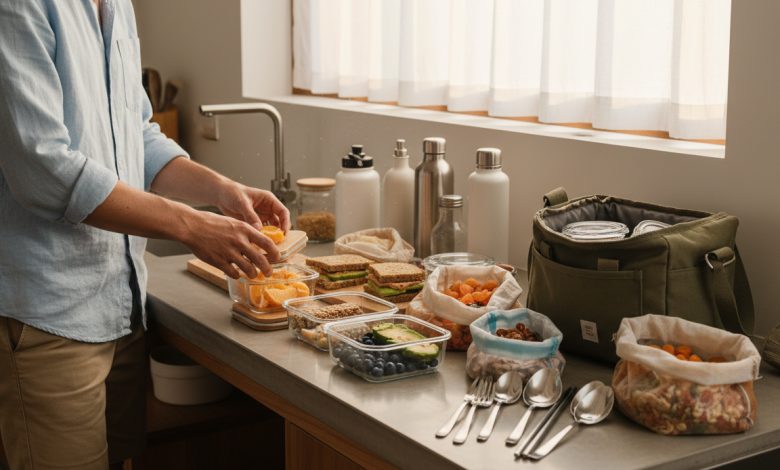
Embarking on a journey brings excitement, yet maintaining healthy habits often proves difficult. Whether you are hitting the open road or boarding a flight, smart preparation remains the secret to a stress-free experience. Mastering the art of packing food for travel ensures you stay energized without relying on expensive airport snacks or greasy roadside stops.
Effective travel meal planning transforms how you navigate long transit days. By selecting nutrient-dense items that withstand various temperatures, you gain control over what you consume while away from home. This guide provides the best strategies to keep meals fresh, organized, and delicious throughout any adventure.
Key Takeaways
- Prioritize non-perishable items to avoid spoilage during long transit hours.
- Use insulated containers to maintain optimal temperatures for fresh ingredients.
- Portion snacks into individual bags to simplify access while on the move.
- Research local regulations regarding items allowed through security checkpoints.
- Hydration remains just as vital as nutrition when crossing different time zones.
Planning Your Menu and Portion Sizes
The first step in packing food for your next trip is to plan your menu thoughtfully. Effective travel meal planning involves considering what you will eat during your journey and how you will pack it.
When it comes to planning your menu, the first consideration should be the type of ingredients you will use. You need to select items that are not only nutritious and appealing but also capable of withstanding the conditions of your trip.


Selecting Travel-Friendly Ingredients
Travel-friendly ingredients are those that are durable, won’t spoil easily, and can be consumed on the go. According to
“The Art of Travel” by Alain de Botton, ‘The art of traveling is to strip away the impediments of life at home.’
This includes choosing foods that are less perishable, such as nuts, dried fruits, canned goods, and energy bars.
Fresh fruits and vegetables can also be good options if you plan your trip accordingly and consume them before they spoil. For longer trips, consider freeze-dried meals or vacuum-sealed packets that can be easily prepared with minimal equipment.
Calculating Quantities Based on Trip Duration
Calculating the right quantities of food is crucial to ensure you have enough to eat without overpacking. For shorter trips, it’s easier to estimate your needs, but for longer journeys, you need to plan more carefully.
A good rule of thumb is to plan your meals and snacks for each day, taking into account your dietary needs and preferences. You should also consider the activities you will be doing and pack accordingly. For example, if you’ll be hiking, you may need more energy-rich snacks.
- Assess your daily caloric needs based on your activities.
- Choose foods that are high in energy and nutrients.
- Consider packing meals that can be easily prepared or consumed on the go.
By following these guidelines, you can ensure that your food is both nourishing and convenient, making your travel experience more enjoyable.
Essential Tips for Packing Food for Your Travels
Effective food packing is an art that combines planning, the right containers, and a bit of creativity. Once you have planned your menu and portion sizes, the next crucial step is to pack your food appropriately to keep it fresh and safe during your trip.
Choosing the Right Containers and Storage Gear
The right containers can make a significant difference in maintaining the quality of your food. Silicone Stasher bags are highly recommended for their versatility and space efficiency. They are not only reusable but also help in organizing your food storage.
Utilizing Silicone Stasher Bags for Space Efficiency
Silicone Stasher bags are perfect for storing snacks, sandwiches, and even liquids. They are airtight, leak-proof, and can be easily stowed away in your luggage or cooler. This makes them an ideal choice for travelers looking to save space.
For longer trips, insulated YETI coolers are a great investment. They keep your perishables cool for an extended period, ensuring that your food remains fresh throughout your journey.
Organizing Your Cooler for Easy Access
Organizing your cooler is just as important as the cooler itself. By categorizing your food and using dividers or separate bags, you can ensure easy access to what you need without having to rummage through the entire cooler.
| Container Type | Best Use | Benefits |
|---|---|---|
| Silicone Stasher Bags | Snacks, sandwiches, liquids | Reusable, airtight, space-efficient |
| Insulated YETI Coolers | Perishables during long trips | Keeps items cool for extended periods |
| Divided Containers | Organizing different food types | Easy access prevents cross-contamination |
Maintaining Food Safety and Temperature Control
Ensuring food safety during travel is crucial for a healthy and enjoyable trip. When traveling, it’s easy to forget about the basics of food safety, but it’s essential to keep your food at a safe temperature to prevent foodborne illnesses.
Managing Perishables with Ice Packs
Perishable items such as meat, dairy, and eggs require special care. Using ice packs in your cooler can keep these items at a safe temperature. It’s recommended to use ice packs or frozen gel packs to keep your perishables cool. Make sure to wrap these items in a towel or cloth to prevent direct contact with the ice packs.
For longer trips, consider using a cooler with insulation and a thermometer to monitor the temperature. The ideal temperature for storing perishables is below 40°F (4°C). You can also use frozen water bottles or even dry ice for longer-lasting cooling.
Preventing Cross-Contamination During Transit
Cross-contamination can occur when different types of food come into contact with each other. To prevent this, separate your food into different containers based on its type. For example, keep raw meat, poultry, and seafood in separate containers from ready-to-eat foods.
Use airtight containers to prevent leakage and contamination. Labeling your containers can also help you keep track of what’s inside and ensure that you’re consuming the oldest items first.
Handling Leftovers and Waste Disposal
When it comes to leftovers, it’s essential to handle them safely to prevent foodborne illnesses. Consume leftovers within a day or two of opening or cooking them. If you’re not sure you’ll be able to consume them in time, consider freezing them or disposing of them properly.
For waste disposal, make sure to pack out what you pack in. Use biodegradable bags or containers for disposing of food waste and other trash. When disposing of waste, follow local regulations and guidelines to minimize your environmental impact.
Conclusion
Packing food for your next trip can be a straightforward process if you follow the essential tips for packing food outlined in this article. By planning your menu and portion sizes, selecting the right containers and storage gear, and maintaining food safety and temperature control, you can enjoy healthy and delicious meals on the go.
Whether you’re embarking on a short journey or a long adventure, these essential tips for packing food will help you stay organized and ensure that your food remains fresh and safe to eat. By putting these tips into practice, you can save time and money, reduce food waste, and enhance your overall travel experience.
With careful planning and attention to detail, you can enjoy the convenience and flexibility of having your favorite foods with you wherever you go. So, start planning your next trip with confidence, and make the most of your travel experience with the right food packing strategies.
FAQ
What are the most durable travel-friendly ingredients to include in a meal plan?
When selecting ingredients, prioritize shelf-stable options that resist crushing or spoiling. Wonderful Pistachios, Stryve Biltong, and Kind Bars are excellent choices because they provide high protein and energy without requiring immediate refrigeration. For fresh produce, opt for hardy items like Granny Smith apples, baby carrots, or celery sticks instead of soft berries or leafy greens that wilt quickly.
How can I maximize space in my luggage or vehicle when packing food?
To optimize space efficiency, replace bulky, rigid plastic bins with Stasher silicone bags. These reusable containers are airtight and flexible, allowing them to nestle into tight corners or lie flat. For larger meals, Rubbermaid Brilliance containers are ideal because they are stackable and feature a 100% leak-proof seal, preventing messy spills in your Patagonia Black Hole duffel or car trunk.
What is the most effective way to maintain food safety and temperature control during a long drive?
To keep perishables safe, utilize a high-performance insulated cooler such as the YETI Tundra 45. Instead of loose ice, which can melt and cause sogginess, use Cooler Shock high-performance ice packs to maintain a consistent internal temperature. Always place raw meats at the very bottom to prevent cross-contamination and ensure the cooler stays below 40°F to comply with standard food safety guidelines.
How do I accurately calculate portion sizes for a multi-day trip?
Start by mapping out your itinerary and identifying exactly how many meals you will need to prepare versus eating out. Calculate portion sizes based on your typical daily caloric intake, adding a small buffer for high-energy activities like hiking. Pre-portioning snacks into individual Ziploc bags or Bee’s Wrap helps prevent over-packing and ensures that your food supply is distributed evenly throughout the duration of your journey.
How should I organize my cooler for easy access and better cooling?
Organization is key to maintaining a cold environment. Pack your YETI cooler by placing heavy items and proteins at the bottom near the ice packs. Store frequently accessed items, like S.Pellegrino sparkling water or prepared sandwiches, at the top to minimize the amount of time the lid is open. Using a dry goods basket inside the cooler can also keep items like bread or cheese from becoming waterlogged.
What are the best practices for handling food waste and leftovers while traveling?
Managing waste responsibly is crucial, especially when following Leave No Trace principles. Store leftovers in Pyrex glass containers to maintain freshness, but be sure to consume or discard any perishables that have been at room temperature for more than two hours. Keep a dedicated supply of Hefty trash bags for waste disposal and use Dawn Dish Soap for quick clean-ups of reusable containers at campsites or rest stops.